How Sports Medicine Podiatry Helps You Recover
Sports medicine in podiatry helps athletes recover from foot and ankle injuries through accurate diagnosis, personalized treatment, and guided rehabilitation. A podiatrist can reduce pain, protect healing tissues, correct movement problems, and create a safe return-to-sport plan for runners, gym-goers, and active people of every level.
What does sports medicine in podiatry treat?
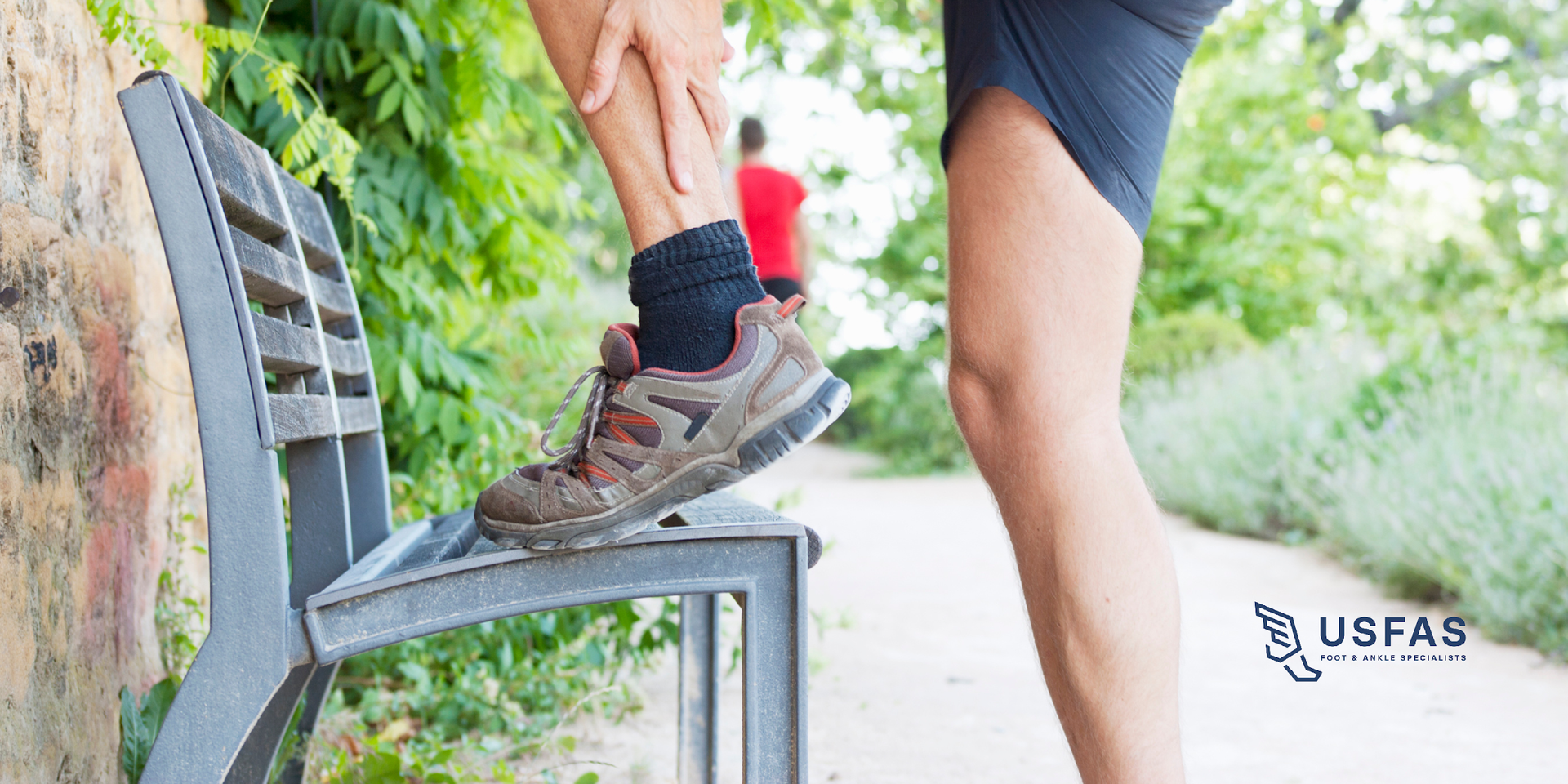
Sports medicine in podiatry focuses on injuries and conditions affecting the foot, ankle, and lower leg. These problems can develop suddenly during a game or workout, or gradually from repeated stress, improper footwear, or changes in training.
Common concerns include:
- Ankle and foot sprains
- Stress and traumatic fractures
- Tendinitis and tendon injuries
- Plantar-related pain and overuse injuries
- Neuromas and irritated nerves
- Pain linked to bunions, hammertoes, or alignment problems
A podiatrist evaluates how your bones, joints, muscles, tendons, and footwear work together. This whole-person approach can help identify the underlying cause instead of treating pain temporarily. Learn more about sprain treatment , fracture care , and tendinitis .
How does a podiatrist diagnose a sports injury?
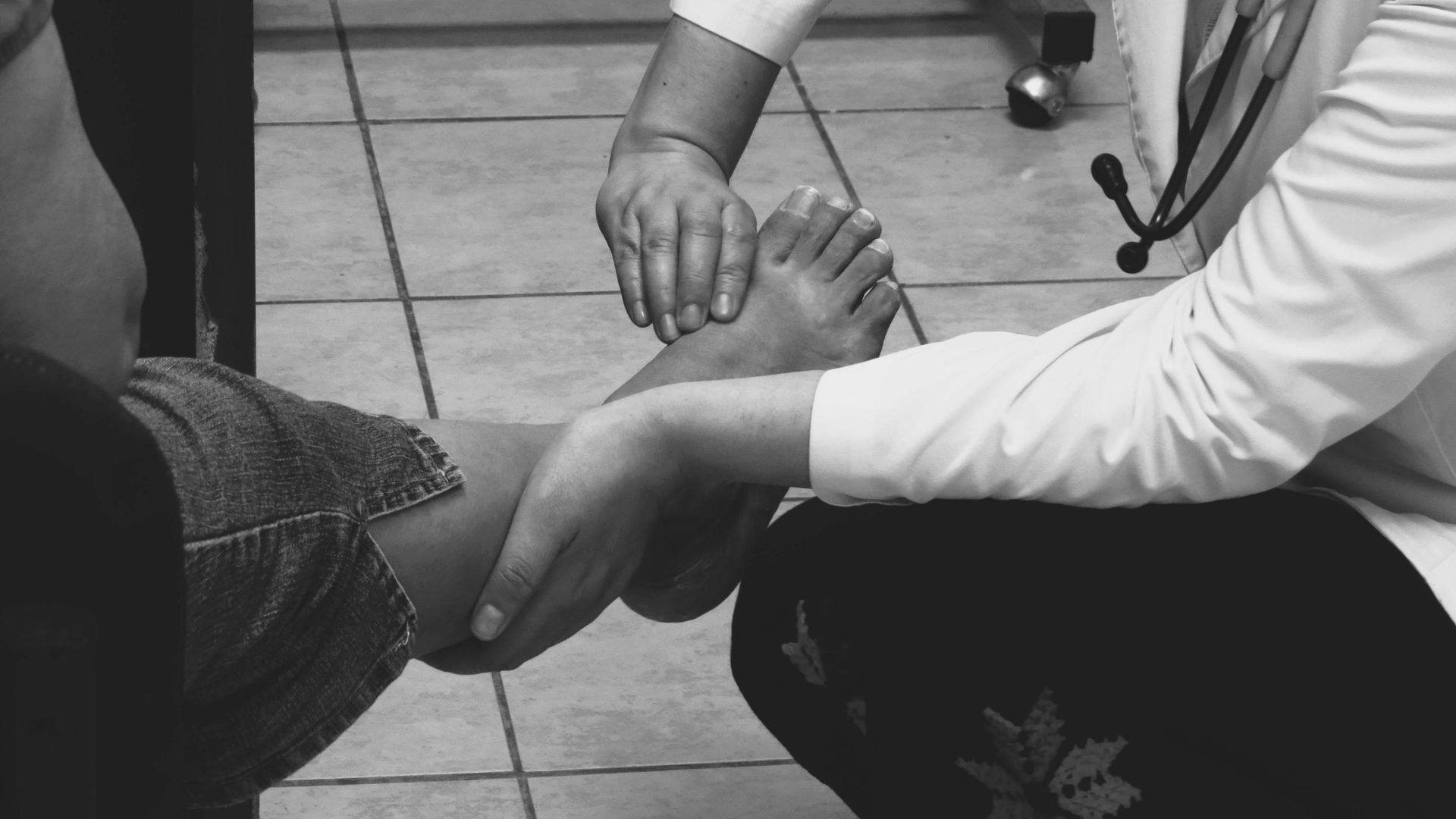
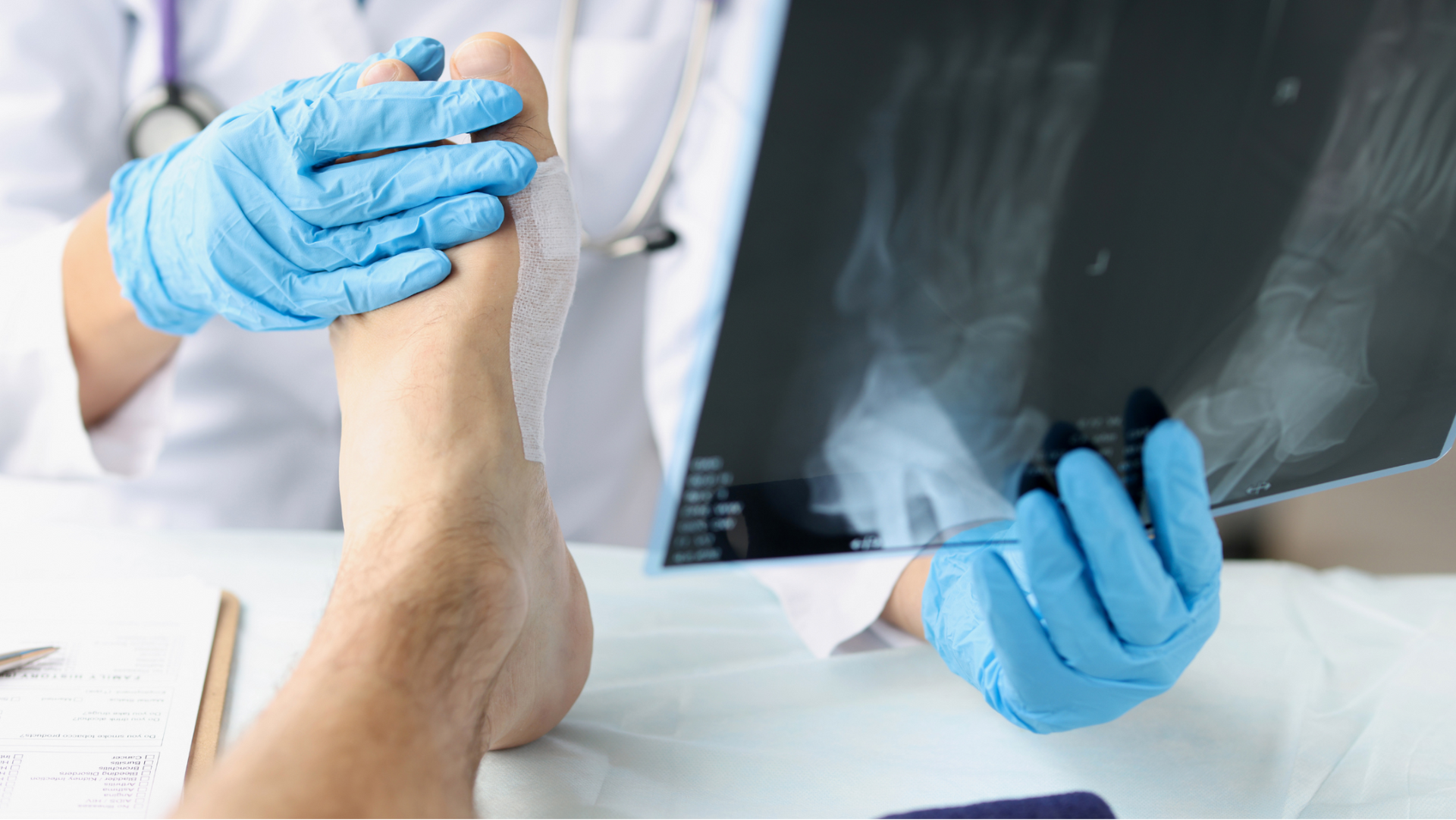
Diagnosis typically begins with a conversation about when symptoms started, what activity caused them, and how pain affects movement. Your provider may assess swelling, range of motion, strength, balance, walking mechanics, and tenderness.
Depending on your symptoms, evaluation may include:
- A physical examination of the foot and ankle
- Gait and movement analysis
- X-rays or other diagnostic imaging
- Review of training, footwear, work, and activity habits
- Testing to distinguish between similar conditions
Accurate diagnosis matters because a stress fracture, tendon injury, and sprain may cause similar pain but require different recovery plans. Seeking care early can also prevent a manageable injury from becoming a longer-term problem.
What treatments support a faster recovery?
Treatment depends on the injury, your activity goals, and your overall health. A sports-focused podiatry plan may combine several conservative approaches, such as:
- Activity modification to reduce stress while maintaining safe movement
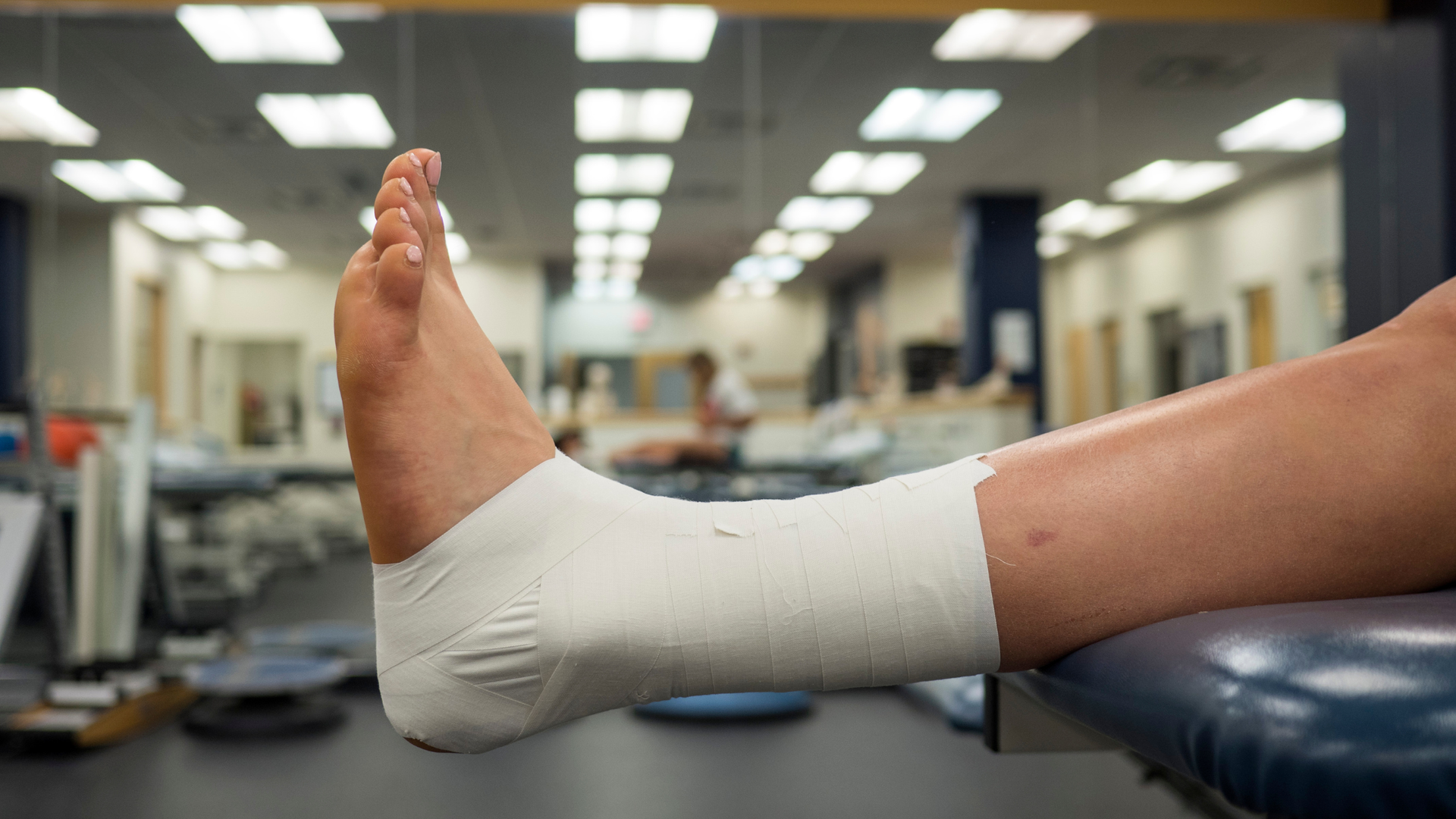
- Bracing, taping, or immobilization for added support
- Physical therapy exercises for strength, flexibility, and balance
- Medication or other options to manage inflammation and pain
- Custom orthotics or footwear recommendations to improve mechanics
Some injuries require a gradual return to weight-bearing or sport-specific activity. Surgery may be considered when a severe injury, structural problem, or failed conservative treatment makes it appropriate. The goal is not simply to make symptoms disappear; it is to restore function and lower the risk of reinjury.
Recovery Planning
A clear recovery plan gives you practical milestones instead of vague instructions. Your podiatrist may help you determine when to:
- Walk comfortably without increasing pain or swelling
- Resume low-impact exercise
- Add running, jumping, or cutting movements
- Return to full practice or competition
- Use supportive shoes, inserts, or protective equipment
Progress should be based on function, not only on the number of days since the injury. Returning too quickly can prolong healing, while a carefully graded plan helps your body adapt safely.
How can you avoid reinjury after returning to activity?
Returning to sport is only one part of recovery. Prevention begins with understanding why the injury occurred and changing the factors that contributed to it. Helpful strategies include:
- Increase training volume gradually rather than making sudden changes
- Replace worn-out athletic shoes and choose footwear suited to your activity
- Warm up before intense exercise and recover afterward
- Strengthen the feet, ankles, calves, and supporting muscles
- Pay attention to recurring pain, swelling, or changes in movement
A podiatrist may also recommend mobility work, balance training, orthotics, or technique adjustments. If pain returns each time you resume activity, schedule an evaluation instead of repeatedly pushing through it.
When should you see a sports medicine podiatrist?
Consider professional care when foot or ankle pain lasts more than a few days, affects your walking, or keeps returning during exercise. Prompt evaluation is especially important if you notice:
- Inability to bear weight
- Significant swelling or bruising
- A visible deformity
- Numbness or weakness
- Pain directly over a bone
- A wound, fever, or signs of infection
People with diabetes should seek timely evaluation for foot injuries or skin changes. Diabetes can affect circulation and sensation, making seemingly minor problems more serious. Explore the practice’s diabetes foot care resources for additional guidance.
Why choose Foot Specialists of Kansas City?
At Foot Specialists of Kansas City, PA, care is tailored to your condition, activity level, and goals. The team uses modern diagnostic techniques and proven treatment approaches to help patients improve comfort, mobility, and confidence.
Whether you are a recreational runner, competitive athlete, busy professional, or simply trying to stay active, individualized guidance can make recovery more predictable. Visit the services page to learn about available foot and ankle care, or contact the office to discuss your symptoms.
Key takeaways
Sports medicine in podiatry can help you recover safely by identifying the cause of pain, protecting injured tissues, and rebuilding strength and movement. It is useful for both sudden injuries and overuse problems that interfere with exercise or daily life. Seek evaluation when pain persists, walking becomes difficult, or symptoms repeatedly return. Your next step is to stop guessing, schedule an assessment, and follow a gradual return-to-activity plan designed around your injury and goals.