

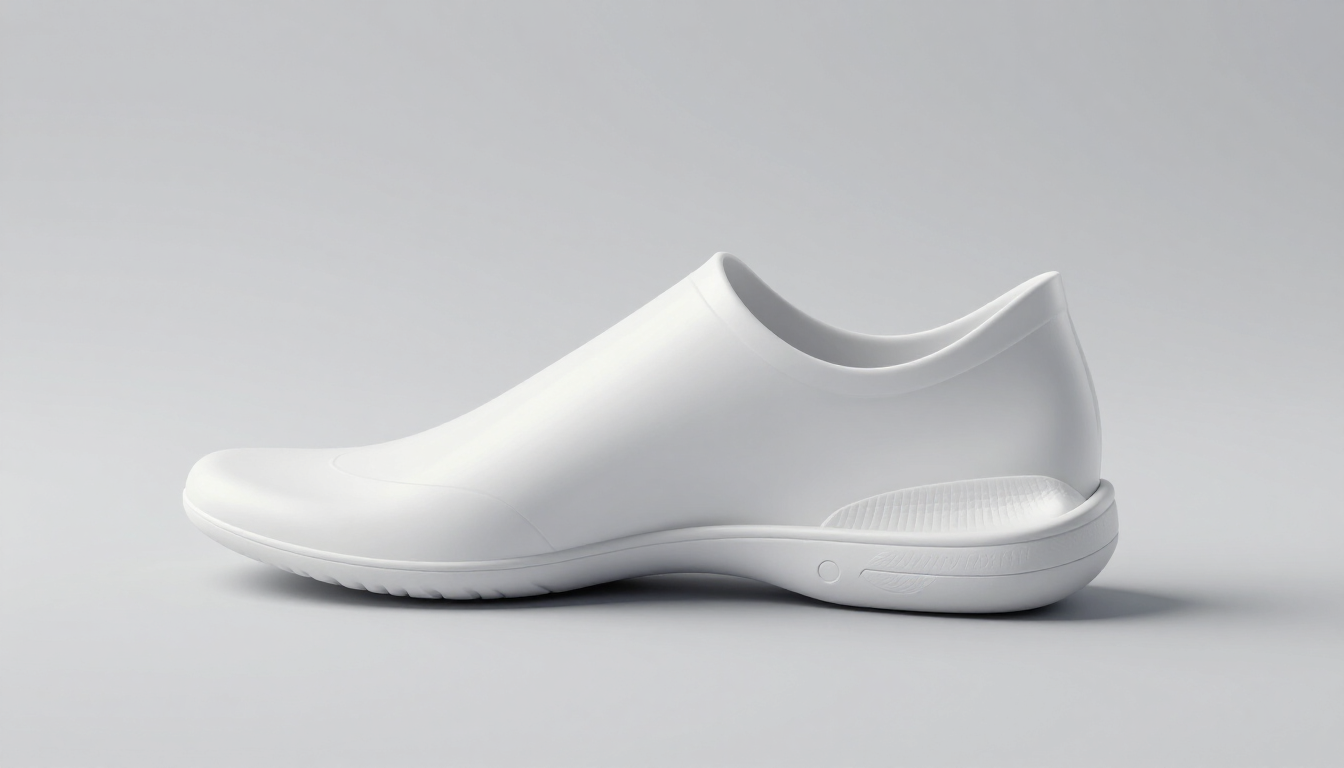
Discover the top custom orthotics benefits for foot health. Learn how prescription inserts improve mobility, reduce pain, and align your body better than store-bought options.

Keep your feet healthy and pain-free this Foot Health Awareness Month. Learn about heel pain, orthotics, diabetic care, and injury treatment to stay active.

Achilles tendonitis can cause heel pain and stiffness that worsens over time. Learn the symptoms, causes, and how podiatry care can help you recover and stay active.
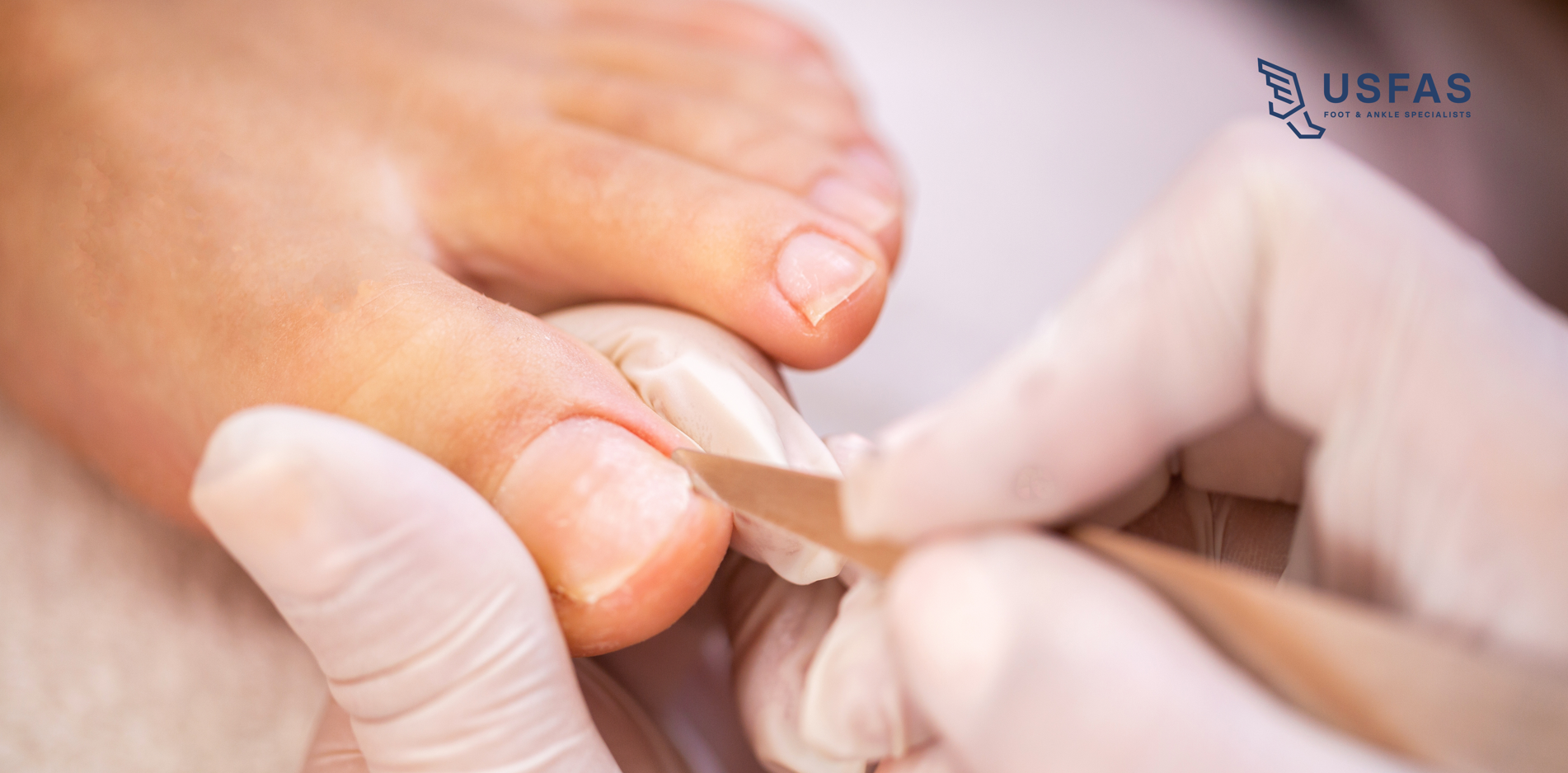
Ingrown toenails can quickly become painful if left untreated. Learn causes, symptoms, and how podiatry care can provide safe, effective relief and prevention.
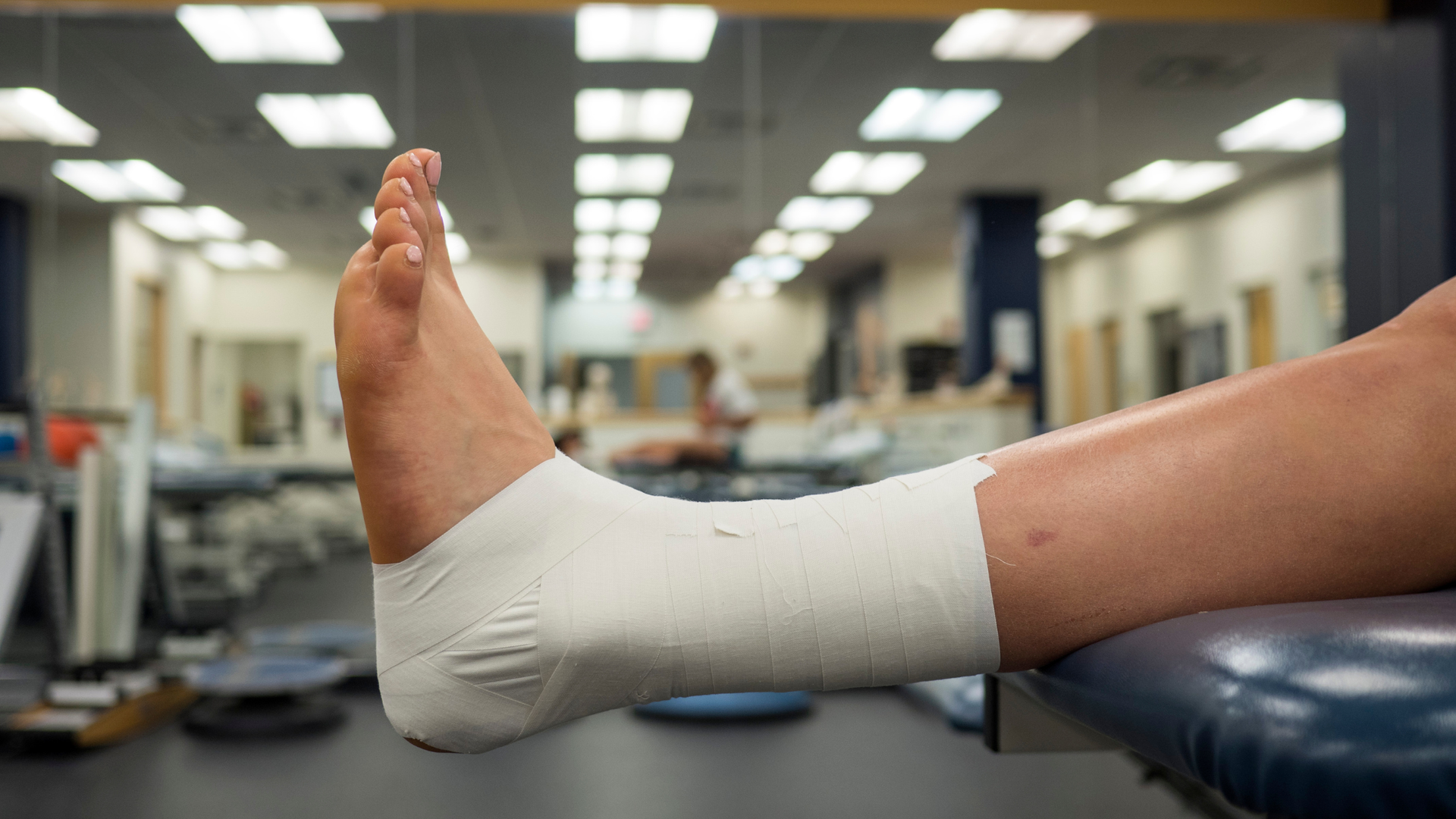
Don’t ignore an ankle sprain. Learn symptoms, causes, and why early treatment is key to preventing long-term pain and instability with expert podiatry care.
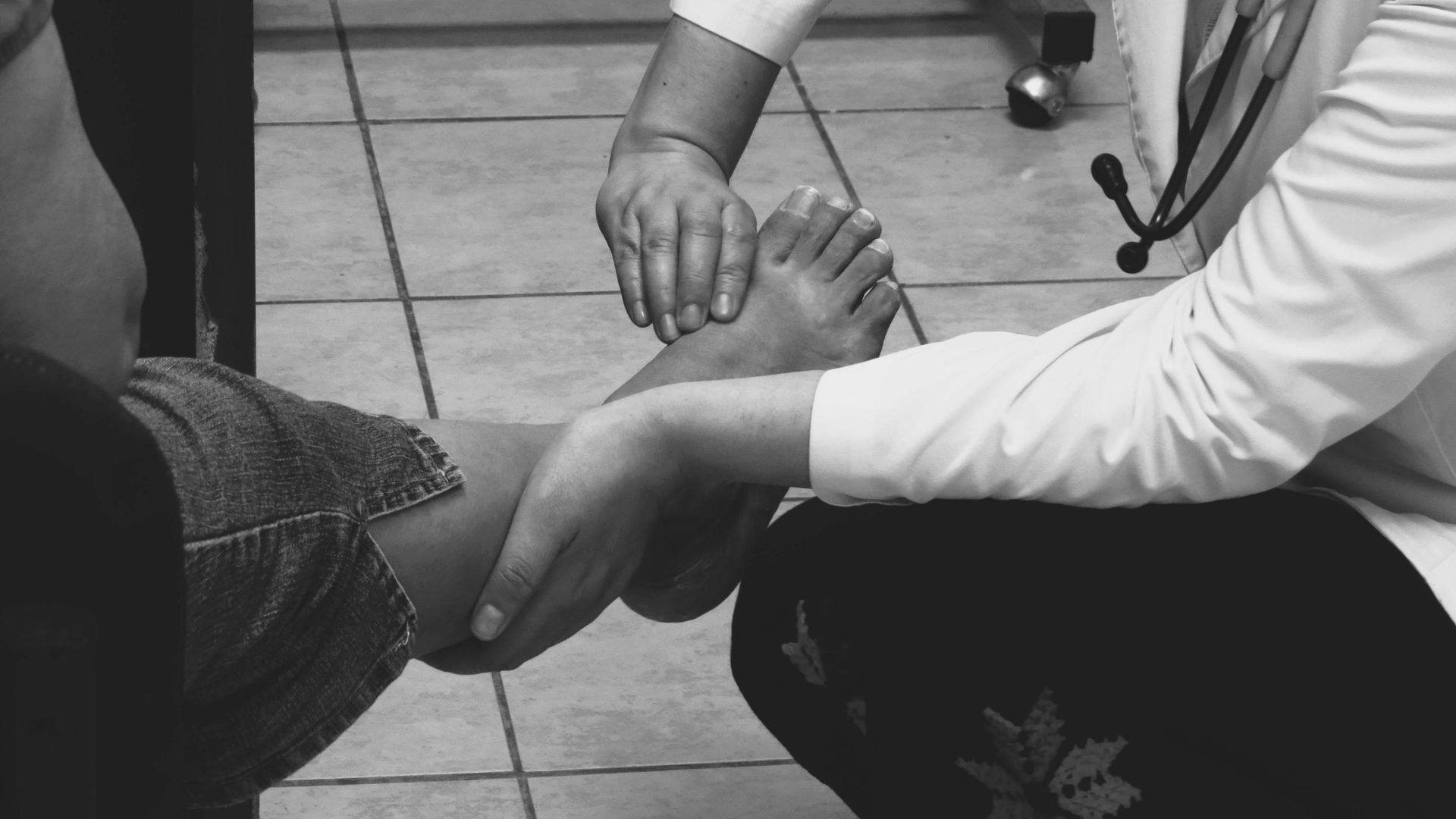
Show your feet some love this February. Learn about common foot problems like heel pain, ingrown toenails, and diabetic foot care, and how podiatry treatment can help.

Learn what a podiatrist does and how they can help treat foot and ankle conditions. Discover when to seek care and how to stay active, pain-free, and healthy.

Start the new year pain-free by addressing heel pain early. Learn common causes like plantar fasciitis and how podiatry care can help you stay active and comfortable.

Start 2026 on the right foot with expert podiatry care. Learn how to prevent foot pain, improve mobility, and stay active with comprehensive exams and treatment options.
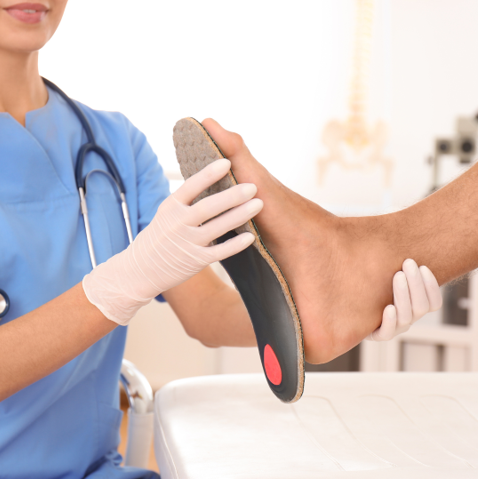
Give the gift of comfort this Christmas with custom orthotics. Learn how orthotics relieve foot pain, improve support, and help loved ones stay active and comfortable.